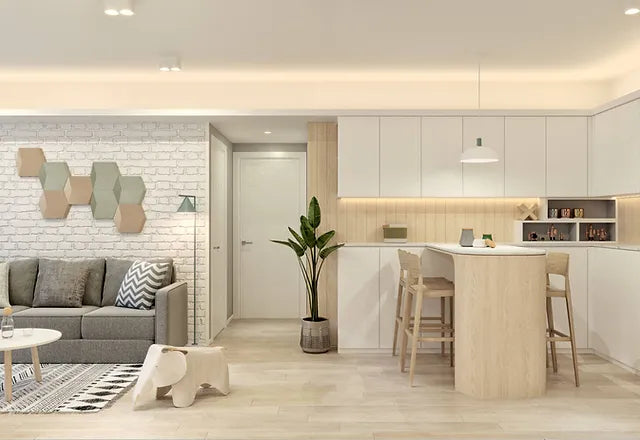
Decoration design has become one of the most influential forces in shaping how people experience their homes, workplaces, and public environments. Once viewed simply as the final aesthetic layer placed over architecture, decoration design today is an integrated creative discipline that blends psychology, technology, culture, and craftsmanship. As lifestyles, trends, and expectations continue to evolve, decoration design is transforming into a holistic approach to creating meaningful, functional, and emotionally resonant spaces.
Decoration design is fundamentally about storytelling. Every room communicates something about its purpose, its users, and the atmosphere it intends to evoke 裝修設計. Designers achieve this through deliberate choices in color, texture, materials, lighting, and spatial organization. Whether the goal is comfort, luxury, energy, playfulness, or a sense of calm, the principles of decoration design help translate abstract concepts into physical environments people can feel and experience. Instead of simply arranging décor, modern decoration design focuses on shaping experiences through thoughtful visual and sensory cues.
A key element in successful decoration design is the use of color psychology. Colors influence mood and perception in both subtle and noticeable ways. Soft neutrals can create serenity, earthy tones bring warmth and grounding, while bright hues inject vibrancy and stimulation. Designers use these nuances strategically, tailoring palettes to the function of a space. In residential decoration design, for example, calm blues and greens are often favored in bedrooms to promote relaxation, while lively yellows or oranges may be integrated into social areas to encourage conversation and energy. The power of color extends beyond trends; it is a language that designers master to create emotional balance in a space.
Textures and materials are equally important in decoration design. While visual aesthetics matter, the tactile experience of a room contributes significantly to its comfort and luxury. Natural materials such as wood, stone, and linen introduce warmth and authenticity, while polished metals and glass add a contemporary edge. The juxtaposition of rough and smooth, matte and glossy, soft and structured can create depth and character that elevate even the simplest spaces. Decoration design thrives on these contrasts, using them to prevent monotony and enrich the visual narrative of an environment.
Lighting, often underestimated by nonprofessionals, is one of the most transformative components in decoration design. Lighting determines how colors appear, how textures are perceived, and how inviting a space feels. Layered lighting, which blends ambient, task, and accent lighting, is essential in modern decoration design. Soft ambient lighting creates a comfortable base, task lighting enhances functionality, and accent lighting highlights artwork, architectural details, or décor elements. Through careful lighting design, a room can shift from bright and energetic during the day to warm and intimate at night. This flexibility makes lighting one of the most powerful tools for creating dynamic and expressive spaces.
Another significant trend shaping today’s decoration design is the emphasis on sustainability. As awareness of environmental impact grows, designers are seeking eco-friendly solutions that balance aesthetics with responsible consumption. This includes choosing recyclable materials, low-VOC paints, energy-efficient lighting, and furniture made from ethically sourced wood. Sustainable decoration design also encourages the use of long-lasting, timeless pieces rather than disposable décor. The movement toward sustainability reflects a broader desire for mindful living, where beauty and responsibility coexist harmoniously.
Technology has also become an indispensable part of decoration design. Smart home systems allow lighting, temperature, shading, and entertainment features to be seamlessly integrated into the décor. Digital tools enable designers to visualize concepts, experiment with layouts, and create immersive renderings before implementing changes. This technological evolution not only enhances design precision but also empowers homeowners to make more informed decisions. Virtual reality walk-throughs, 3d modeling, and augmented reality previews are now common in professional decoration design, helping bridge the gap between imagination and reality.
Cultural influences play a significant role in decoration design as well. Globalization has expanded access to diverse styles, encouraging creative fusion across regions and traditions. Scandinavian simplicity, Japanese minimalism, Moroccan patterns, Mediterranean warmth, and industrial urban aesthetics all coexist in contemporary decoration design. Rather than adhering strictly to one style, modern designers often blend elements to create personalized environments that reflect an individual’s identity and values. This eclectic approach adds richness and uniqueness to each project, ensuring that no two spaces feel identical.
One of the most appealing aspects of decoration design is its ability to adapt to personal tastes. In residential settings, decoration design allows homeowners to express their personalities through art, furniture, color schemes, and décor items. Some prefer bold artistic statements, while others embrace subtle elegance or rustic charm. The beauty of decoration design lies in its flexibility; it respects individuality while bringing coherence to the overall composition. Good decoration design does not impose a fixed formula—it responds intuitively to the needs, lifestyles, and preferences of the people who inhabit the space.
Functionality remains at the heart of decoration design, even as aesthetics take center stage. A beautifully decorated space must also support daily life. This balance is especially important as more people work from home, requiring thoughtful planning of multi-purpose areas. Designers integrate storage solutions, ergonomic furniture, and layout strategies that optimize space without compromising style. In small apartments, decoration design becomes even more crucial, as every detail must contribute to both practicality and ambiance.
As the world changes, decoration design continues to evolve, reflecting shifts in technology, culture, and the way people live. What remains constant is the discipline’s commitment to crafting environments that inspire, comfort, and enhance well-being. Whether in homes, offices, retail spaces, or hospitality settings, decoration design plays a vital role in shaping how spaces feel and how people connect with them.
In essence, decoration design is more than arranging beautiful objects. It is a multifaceted art that weaves together creativity, function, and emotion. By understanding the profound impact of color, materials, lighting, sustainability, technology, and cultural expression, designers create spaces that tell stories, evoke feelings, and elevate everyday experiences. As the demand for personalized, meaningful environments grows, decoration design will continue to flourish as an essential and dynamic field that shapes the way people live, work, and dream.
